

Toast + Songs of the Bulbul
However many N&N shows you see, at least one Toast session should be part of the mix, especially if you can top it off with a Song of the Bulbul.
festival
However many N&N shows you see, at least one Toast session should be part of the mix. With such a wide showcase over three days, picking which session to attend is a task in itself, in the end dictated pragmatically by what else was on offer that day. So it was that, with a double helping of Toast and Songs of the Bulbul on the menu, I settled down in the Speakeasy tent in the company of Lewis Buxton for a couple of hours.
If two hours of poetry sounds more like homework than entertainment, that would be to reckon without the roster of talent Buxton assembles for these sessions. As well as being a warm and welcoming host - albeit a tad sweary for an afternoon session - he's a fine poet in his own right, with a deft ability to seamlessly shift from chat to verse before you've noticed. His light touch, when discussing all the Matt's in his life, or when watching films with John, cleverly married accessibility with a smart rebuttal of male toxicity, made explicit by his membership of the Sensitive Gentlemen's Club. His assurance that this wasn't stand up, but rather an agreement between performer and audience to simply be nice to each other, was particularly welcome.
In previous iterations of Toast, Lewis has been accompanied by his wife Daisy, so I was surprised at her absence, until the penny dropped she has literally been left holding the baby, a subject Lewis is not yet ready to codify in verse, but nonetheless seemed touchingly very much in his thoughts. Instead of Daisy, we were therefore treated to brief support sets from other poets. The preposterously handsome - that's Lewis's objectification, by the way, not mine - Josh Rivers offered a trio of works that were reflections on love, ranging from the whimsy of picking flowers to the ominous end of days. The fine figure of Edalia Day occupied the other support slot, unapologetically transgender and unremitting jolly, Day's set focused on the issue of gender, be that growing up burdened by uncertainty or in weary condemnation of the reductive cul-de-sac of definitional boxes. About as far from preachy agitprop as you can imagine, Edalia abiding message was of tolerance with a smile.

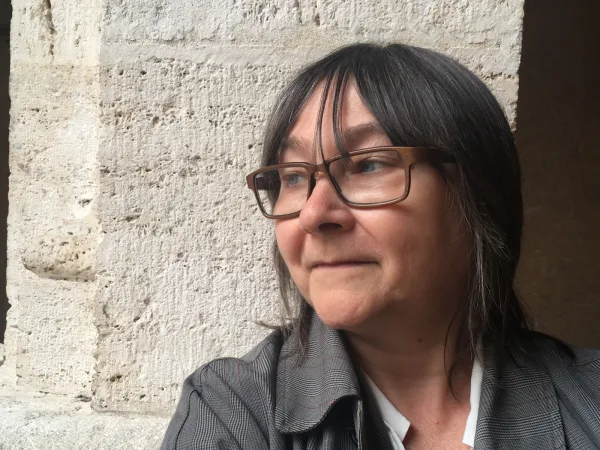
Lewis brought a new selection of poems to the second set, where his love letter to Norwich rubbed shoulders with more man-love directed at friends Alex, Ben, and big man Vince on the front row, who took the brunt of some good-natured ribbing. Previously, those of us who had been in for the long hall enjoyed Georgie Jones who, when not immediately regretting talking about poo and sweat (don't ask) regaled us with whimsical tales of dating, singleton life, and sweetly beguiling platonic love. In sharp contrast, Rachel Long's set was altogether more soul searching. I think it was telling that for the first time that afternoon, her poems about XYZ were met with silence. Not, as Lewis had previously fretted over, through indifference, but rather as a mark of respect for opening up so fearlessly.
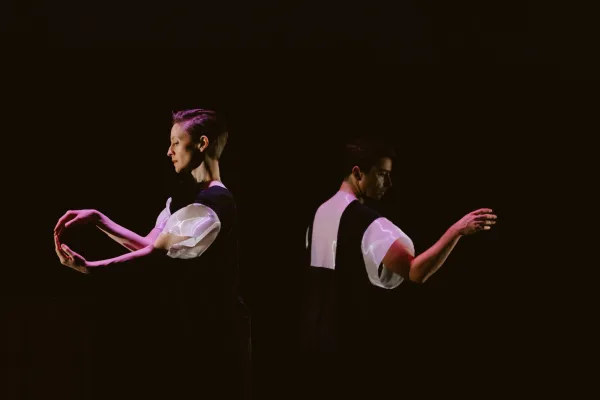
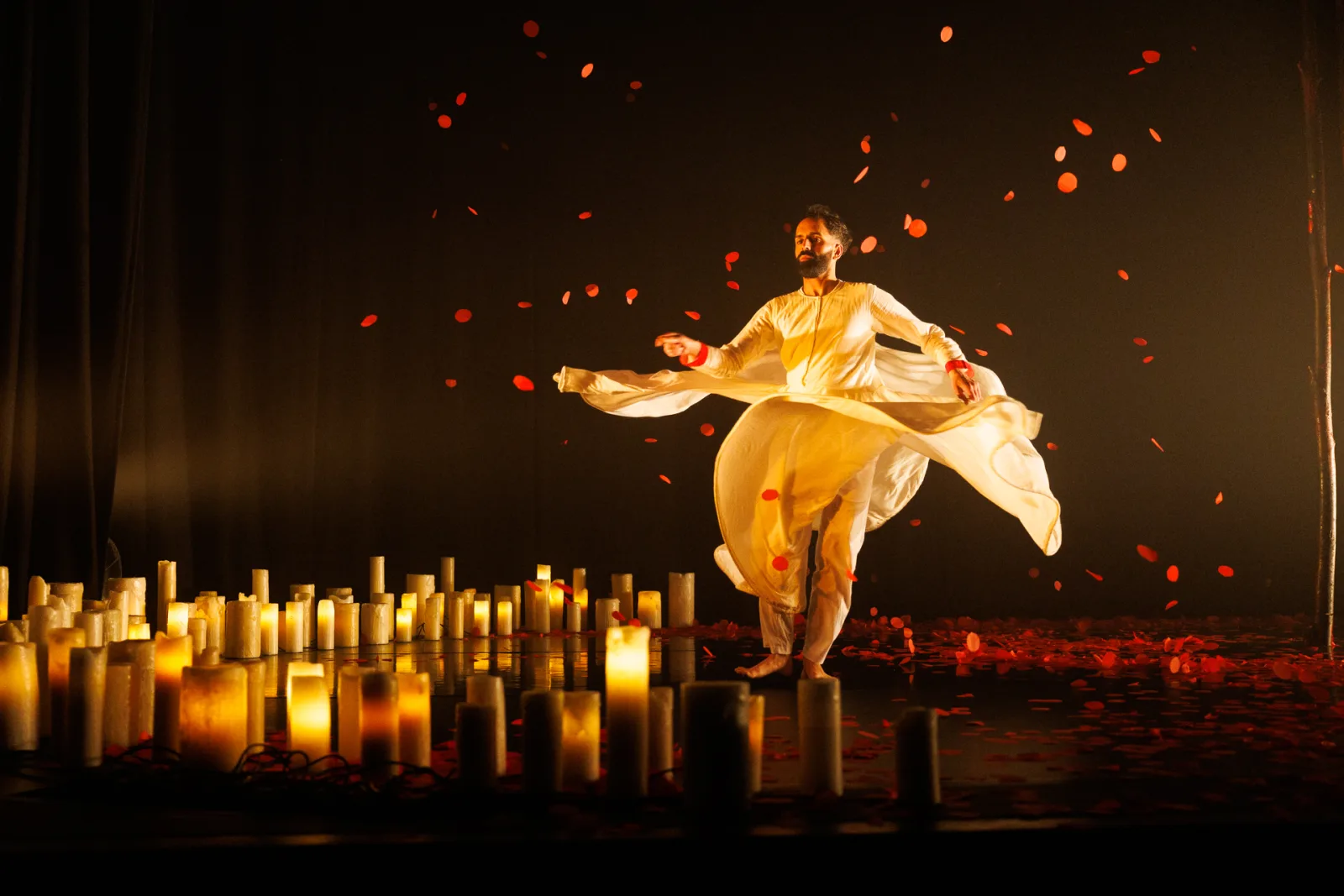
The Bulbul, for the uninitiated, is better known in this country as the Nightingale. It’s a bird of mythical wonder whatever your geographical location, but its imminent departure from these shores – climate change will very soon make its migration here an impossibility – added extra heft to Aakash Odedra’s Kathak dance performance. Though expressed almost entirely through the medium of dance, an emerging narrative of entrapment and escape, steeped in his Sufi culture, brought shape to what might otherwise have been an exhausting hour, for both audience and performer, of meticulously calibrated movement.
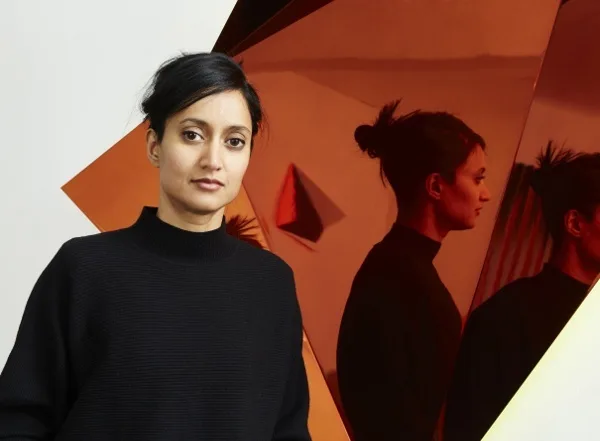
Encircled by a crescent of candles and with ominously suspended branches up high, Aakash emerged in white, skittering across a floor covered in red petals. With the grandeur of Rushil Ranjan’s music inevitably bringing to mind the sweep of a cinema score, Aakash became the archetypal whirling Dervish, stamping his feet, swirling his costume, his hands describing the wings of a bird he seemed possessed by. Choreographer Rani Khanam created an involving hybrid of man/bird movements, only suggestive of the Nightingdale, a prevailing hint that the production is a metaphor for impermanence of art, of dance, of life itself.
Immaculately staged and lit, it's a marvel to watch, to the extent it feels churlish to take issue with its length. Realistically - dare I say commercially - a significantly shorter run time would surely have compromised sales. Nonetheless, in purely artistic terms, I do wonder whether a more compact run time might have packed a bigger punch. There were times where I caught myself admiring the production rather than being immersed in it. There was, to emphasis, much to admire, but - again, dare I say it - there's only so many ways one man dancing for an hour can completely hold your attention. The production has received universally positive reviews, so perhaps it was just me that, every so often, was just a tiny bit restless. Perhaps the reviews were so outstanding that they over promised, or perhaps ennui was bound to happen having indulged in two hours of poetry for starters, but I left the performance feeling just a little underwhelmed – its not good if the mind wanders sufficient to start wondering which poor devil was going to have to clear all those petals up.