

The Book of Will
John Heminges and Henry Condell took it upon themselves to collect and thereby preserve Shakespeare’s work after his death. Lauren Gunderson’s fascinating play takes the bare bones of what we know about their endeavour and builds a compelling narrative, imagining how they might have gone about it, and why.
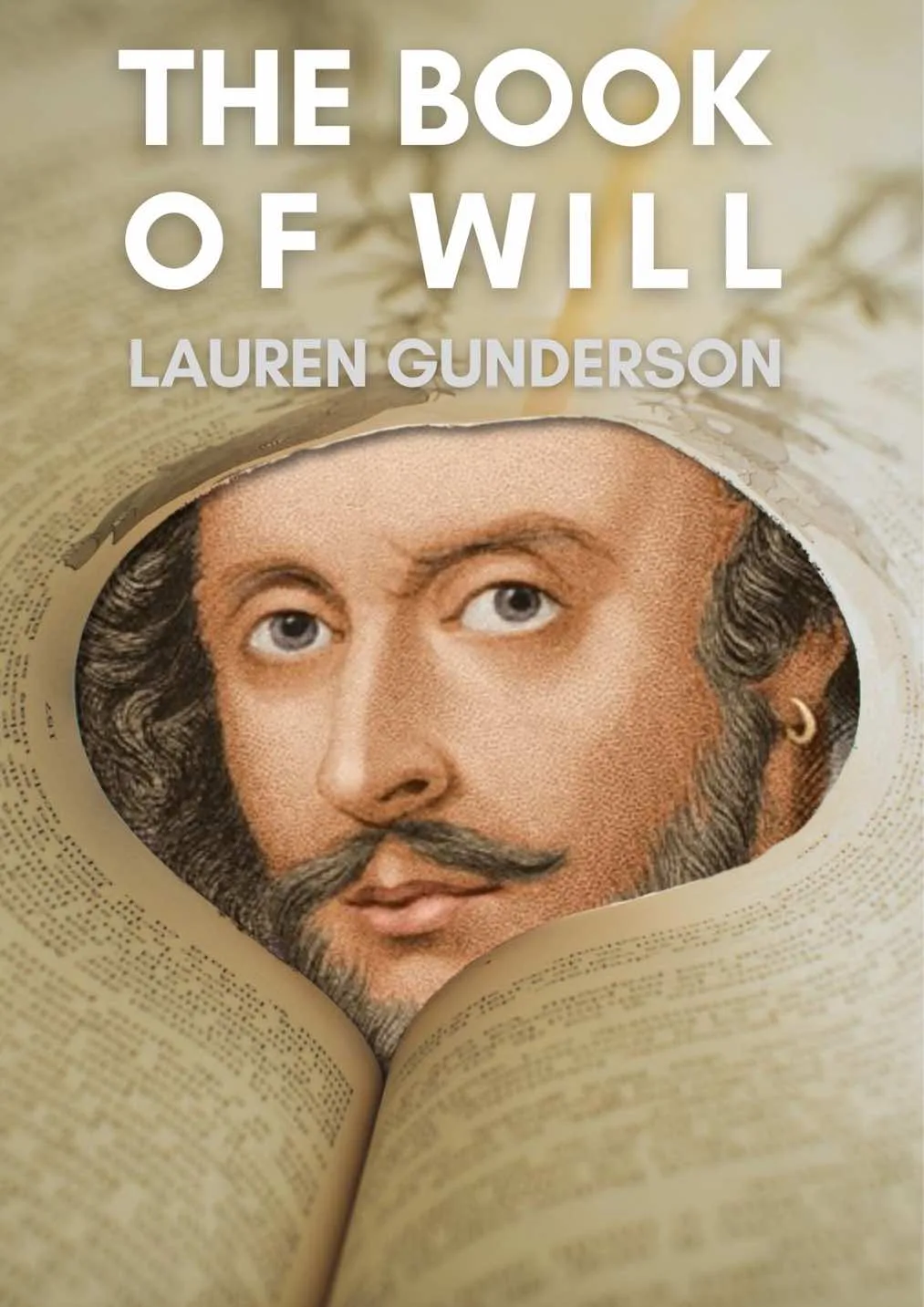
One of the many misconceptions about Shakespeare is that we know so little about him. This supposed elusiveness is the foundation for countless theories doubting his authorship of the plays that bear his name. One only needs to look at the work of Ian Stewart or Charles Nicholl to appreciate that, certainly compared to his contemporaries, we know quite a lot. But even those that follow the orthodox line tend to focus on legal documents, letters and theatre records. Oddly, little regard is given to the simple fact that men who knew and worked with him went on record – indeed didn’t consider it a matter of debate – that he was, of course, the man who wrote the plays they admired and performed in. Chief among those bearing witness was John Heminges and Henry Condell, who took it upon themselves to collect and thereby preserve Shakespeare’s work after his death. Lauren Gunderson’s play takes the bare bones of what we know about their endeavour and builds a compelling narrative, imagining how they might have gone about it, and why.
The Maddermarket Theatre provided the perfect backdrop for the Norwich Players performance of Gunderson’s play. It is, after all, modelled along Elizabethan lines. Admittedly, only a few scenes take place on stage, but it nonetheless imbued the production with a subliminal authenticity, particularly in those scenes that featured the ensemble cast as a whole. The play opens with a witty and wilful mauling of Hamlet, played by Caitlin Woolrich, who looked to be having great fun making a mess of the Danes’s soliloquy, while David White’s Richard Burbage looked on in horror. White was excellent as Burbage, bringing to mind the power and intensity of the late Leo Mckern as he chewed up the scenery with a grandstanding selection of the Bard’s best bits.

What happens next is the first big shock of the play – not something to be revealed here – but the consequence for his drinking buddies Heminges and Condell prove profound. James Thomson and Jamie Willimott carried the weight of the production throughout, deftly handling an awful lot of exposition. They were greatly assisted in their reminiscences by Heminges’s imagined daughter Alice, winningly played by newcomer Lola Matthews. Gunderson is well known for focusing on women’s stories, and while the production of the first folio took place in notoriously patriarchal times, Alice is one of three women she manages to squeeze into the narrative and thereby give voice to. Who knows what part the wives of our protagonists played in the books production, but some of the most powerful scenes were those played by Lola Matthews and Gill Tichborne, supporting and cajoling their husbands in equal measure. Chief among the supporting cast, David Newham got all the best lines as Ben Jonson, and obviously had great fun channelling his inner Graham Crowden, while Kevin Oelrichs was marvellously villainous as the avaricious Jaggard.
The production was simply, but effectively, staged and made ample use of Michael Nyman’s back catalogue for its transitions to keep things on the move. It’s a testament to the lead performances, and Tony Fullwood’s direction, that the audience were engaged throughout its considerable two and a half hours running time, but I do wonder if a little judicious nip and tuck here and there would have worked wonders in delivering what is, after all, a simple tale of trying to get a book published. Gunderson obviously did a huge amount of research for this play, and clearly didn’t want any of it to go to waste. For Shakespeare nerds it was great fun ticking off the many references, but much of what we told was a tad on the nose. Given its message – the importance of respecting the text of an author – I suppose it’s unsurprising that the company were wary of offering a slimmed down version of Gunderson’s text, but if the balance between exposition and action had shifted, it would have made for a pacier production.
It’s a minor quibble - this was a fascinating, and convincing, insight into how fragile the texts from the 17th century were, and how easily they might be lost forever. But for the actions of two men saving Shakespeare for generations to come, his might well have been. It was something cleverly encapsulated at the conclusion of the play, as famous voices ring out, before morphing into performances from around the world.