

BBC Singers
Stunning semi-improvised sections made for a compelling listening experience, enhanced by some stunning solo singing.
festival
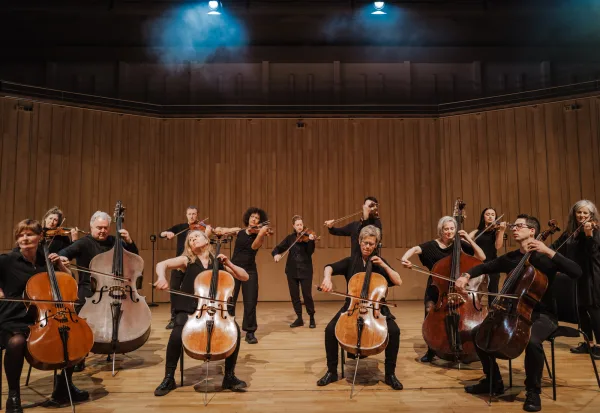
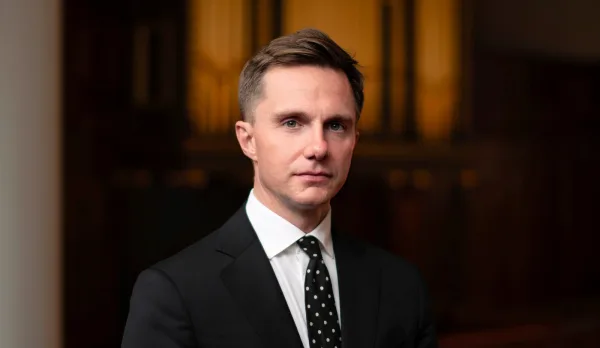
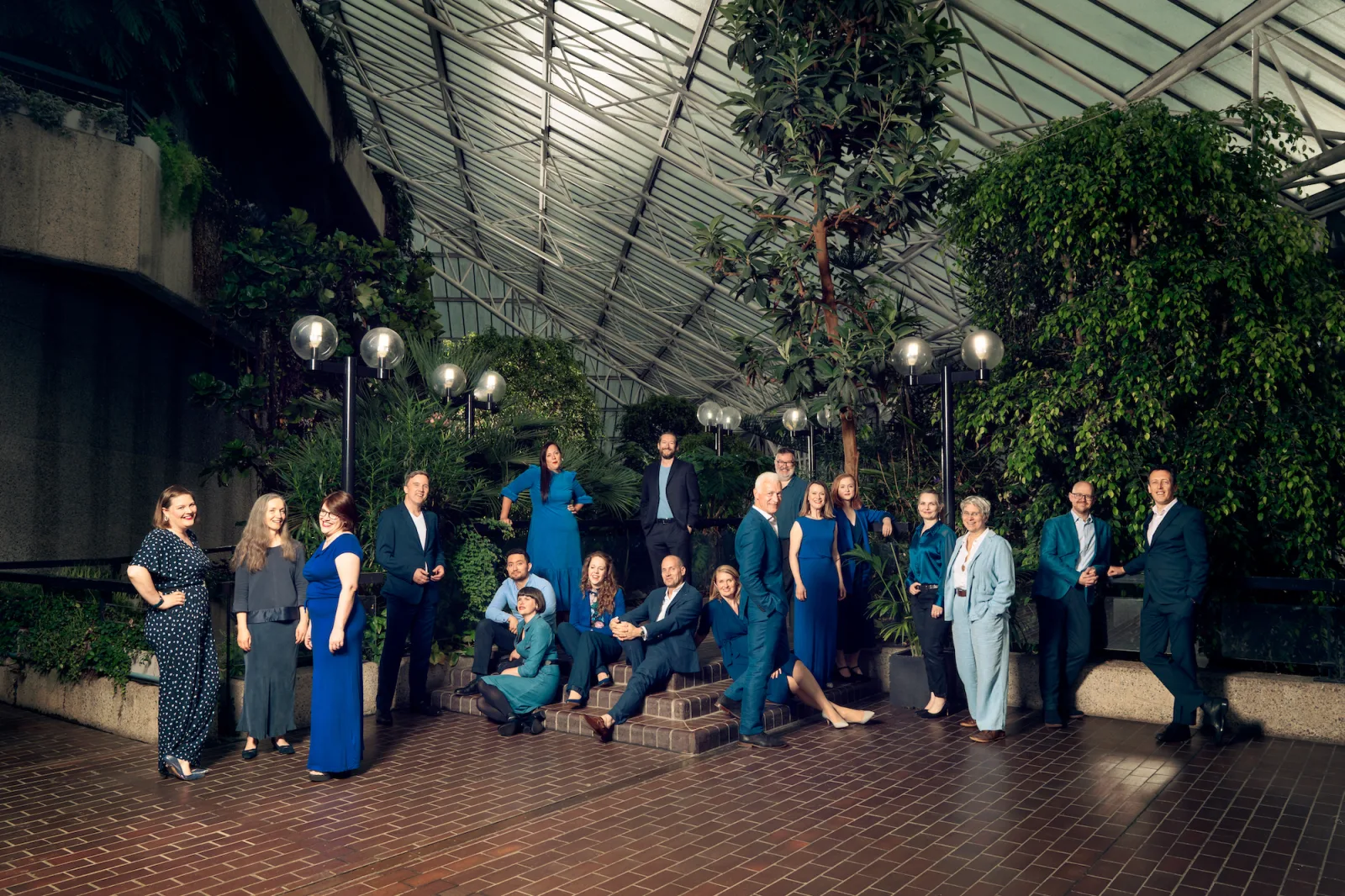
The BBC Singers – Britain’s only full-time, professional choir – returned to the Norfolk and Norwich Festival last night for a programme directed and conducted by Scottish composer Sir James Macmillian. The Singers, who celebrated their centenary last year, were performing at the Cathedral of St John the Baptist, a building, I was surprised to discover was only actually completed in 1910, fourteen years before the founding of the choir (then called ‘The Wireless Chorus’). The Gothic Revival Roman Catholic Cathedral provided a stunning setting for Macmillian’s programme. The concert – which will be broadcast on Radio 3 next week – was introduced by BBC radio presenter Ian Skelly, who also briefly interviewed Macmillan about his selections. Things began with an early Benjamin Britten composition, ‘Hymn to the Virgin’. The earliest version of this piece was apparently composed by the Lowestoft-born composer while he was still at school, and confined to bed in the sanatorium. A revised version was performed for the first time a year later, with Britten’s mother singing alto solo. Although not particularly widely known, it appears to be a work that retained significance for Britten throughout his life and was one of two pieces performer at his funeral in 1976. In ‘Hymn to the Virgin’ the choir is split in two, with one group singing in English and the other in Latin. It’s a brief, beautiful work that provides an engaging opening to the evening. The remainer of the first half of the programme comprises John Taverner’s ‘Hymn to the Mother of God’, Judith Weir’s ‘Ave Regina Caelorum’ and what was, for me, the highlight of the evening: a stunning performance of Macmillan’s own composition ‘The Culham Motets’. These five pieces, first performed less than a decade ago at the chapel of Christ the Redeemer at Culham Court near Henley-on-Thames, include some stunning semi-improvised sections which made for a compelling listening experience, enhanced by some stunning solo singing. The strength of this performance presented some challenges for the second half of the concert which, while being as immaculacy performed as the first half, never quite reached the intensity achieved during the best moments of the Motets. This section of the concert was made up of another Macmillan composition, ‘O Virgo Prudentissima’ and 16th century Italian composer Giovanni Pierluigi da Palestrina’s best known mass, ‘Missa Papae Marcelli,’ which was composed in honour of Marcellus II, who was Pope for just 22 days in 1555 before dying after suffering a stroke. Although my engagement with these excellent pieces didn’t quite match my experience of the earlier Motets, I’m very much looking forward to re-listening to the entire concert when it is broadcast. All in all, a hugely rewarding conclusion to my Norfolk and Norwich Festival experience of 2025.