
Minima + Phantom of the Opera
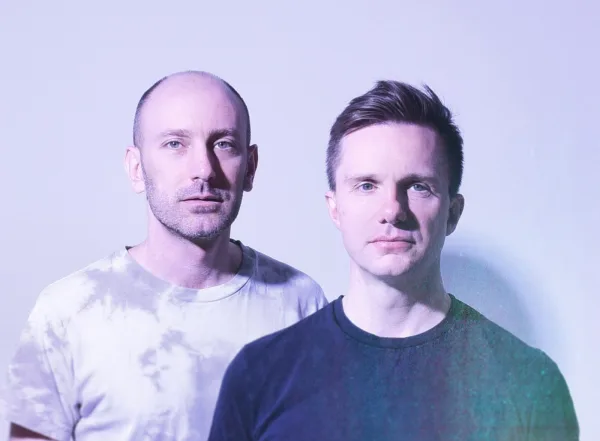
The experience proved greatly enhanced by Minima's musical interpretation of the action on screen, coaxing out the emotional core of the film with guitar, cello, percussion and synthesiser.
festival
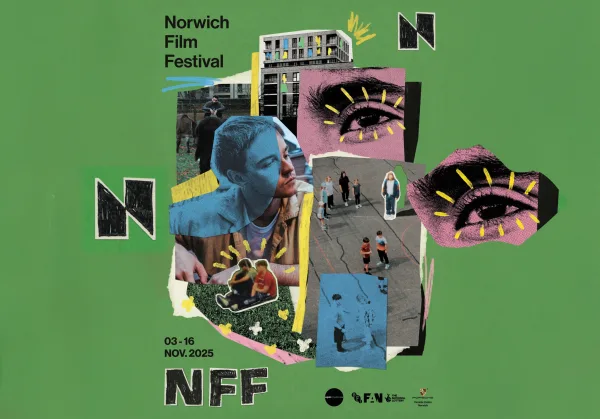
The Norwich Film Festival is once again showcasing a varied mix of short films, features, and panel discussions during November, with Phantom of the Opera at the Playhouse one of its key events. Last year, we were treated to FW Murnau's classic vampire movie, Nosferatu, and with Phantom also reaching its centenary year, it must have seemed its natural successor. In all sorts of ways, the surviving version of Phantom is the lesser film, but having so enjoyed the communal experience of watching a full-length silent movie last year, I was looking forward to this being more than a box ticking exercise.
Once again, the experience proved greatly enhanced by Minima's musical interpretation of the action on screen, coaxing out the emotional core of the film with guitar, cello, percussion and synthesiser. With the musicians discreetly tucked either side of the screen, this was far more than a live concert enhanced by diverting visuals. Minima's contribution was as subtle and sensitive as I'd come to expect from the previous outing, once again avoiding any temptation to dominate the images on screen. Given that Phantom is far more explicitly linked to music and its seductive bewitching powers, one might have thought the task less challenging. To my mind, the opposite seemed to be the case, and I wonder if Minima found it so. Apart from anything, they don't come with an organ in their armoury, and nor do any of them sing opera. The disconnect between the image of a man playing the organ on screen, while the assumed music was mirrored on the cello, did prove a distraction, but then operatic subject matter is an odd choice to make in the first place when your movie is silent, and is perhaps emblematic of the challenges this idiosyncratic film encountered during production.
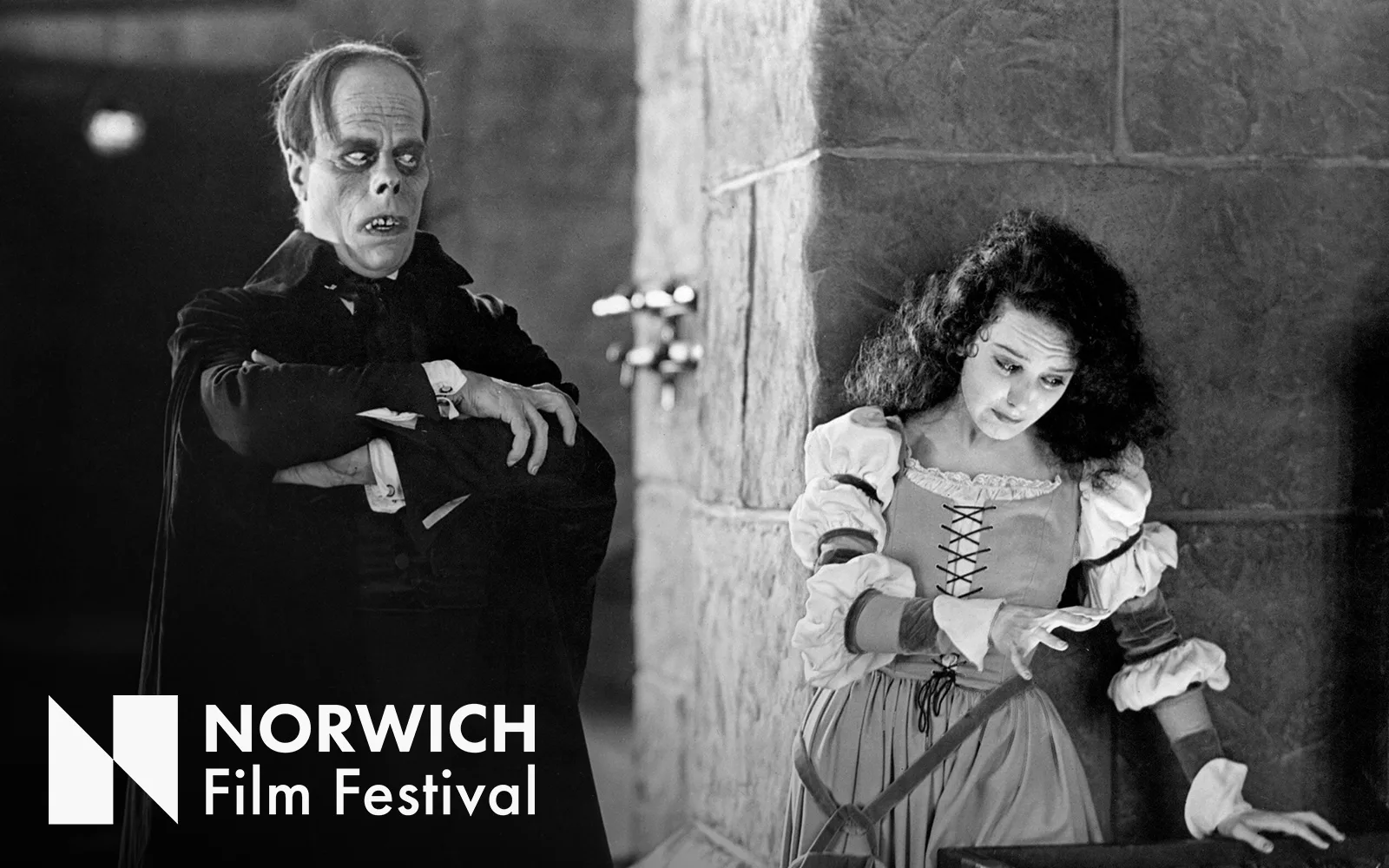
Phantom of the Opera proved a troublesome novel to dramatize, and while early drafts of Elliot Clawson's screenplay were faithful to Gaston LeRoux's plot, revisions and reshoots following poor audience reaction shifted the narrative considerably. Nonetheless, given the subsequent countless iterations - everyone from Andrew Lloyd Webber to Iron Maiden seems to have had a go - its remarkable that the film remains one of closest yet to its source material. Given that it practically invented the concept of gothic horror on screen, it's fascinating to see how the syntax of the genre had yet to be worked out. Protracted scenes of opera singing - absurd though that might seem - and misplaced attempts at levity give the film an uneven texture that are endured rather than enjoyed. In contrast, the set design is sumptuous and extravagant. The underground vaults are nightmarish and impressionistic. The intermittent use of early technicolour was nigh on avant garde. And that's all before we get to the ground breaking jump scare of Chaney's grotesque make up reveal.

If you'll excuse a personal anecdote, I was eight years old and Mum was cooking tea when, channel hopping, I fell across the broadcast of - I found out years later - Phantom of the Opera at the point where Mary Philbin pulls off his mask. Out of context, I simply couldn't process what I was looking at. With nothing spookier than Scooby-Doo as a point of reference, I knew this was a man, but unlike any man I had previously seen, and I was terrified. I mention this as I think it's as close to the experience of the 1925 audience as we are likely to get. Lon Chaney's face now accompanies any discussion of the film - this review being a case in point - but at the time it was a closely guarded secret. No one had ever seen anything like this, and no one did see unless they went to the film. It is the major talking point of the whole film, but its also its narrative downfall. Notwithstanding the nightmarish, blood red infused ballroom scene that follows, the trajectory of the movie falters. So much so that the last act was completely rewritten and refilmed. Gone was the melancholic death of Erik, alone with his obsessive love. Instead, the crowd pleasing and astonishingly brutal closure of an angry mob rounded off a film burdened by uneven storytelling but blessed with occasional bursts of creative brilliance.
Only six years later, the same studio would produce both Dracula and Frankenstein, relegating Phantom to the position of an unloved curio from the silent era, and it's astonishing how much more sophisticated those later films are. It's worth remembering, however, that the film we see today is not that viewed by the audiences of 1925. With only a degraded 16mm version extant, it is the so-called Eastman print that forms our view. The technicolour ballroom is only a dramatic contrast because the colour version of the stage performances are lost. The haunting image of a stranger in the labyrinthine passages is a recycled image from the reworked talking version of 1929. And we still don't know who the lantern man is, or why he is there. It's a little miracle we've got anything left to admire, but it must be acknowledged that much of this films appeal, it's very strangeness, is an accidental by product of the restoration process rather than artistic intent. Nonetheless, it remains a fascinating artifact of grand ambition colliding with the commercial realities of big studio business.
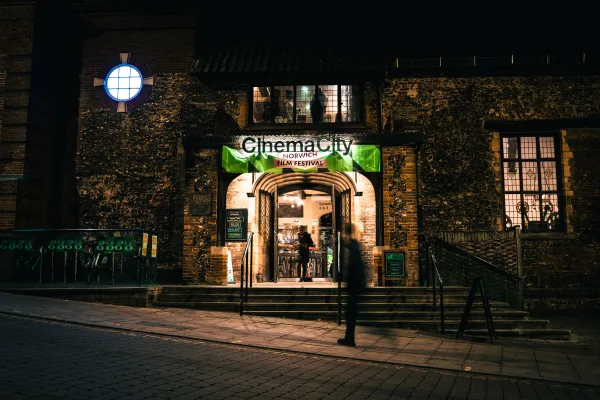
The Norwich Film Festival now runs until the 16th November, showcasing an exciting range of films, shorts and talks at Cinema City on almost every day.