
Killer Cults - Emma Kelly
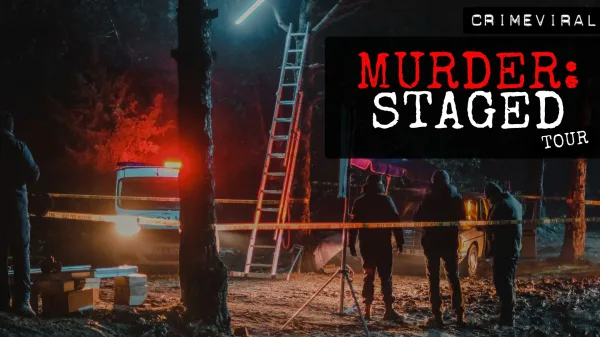
Despite its sensational title, Killer Cults was a relatively sober examination of what makes a cult leader, and how a literally fatal combination of narcissism and psychopathy can lead to disaster.
Epic Studios
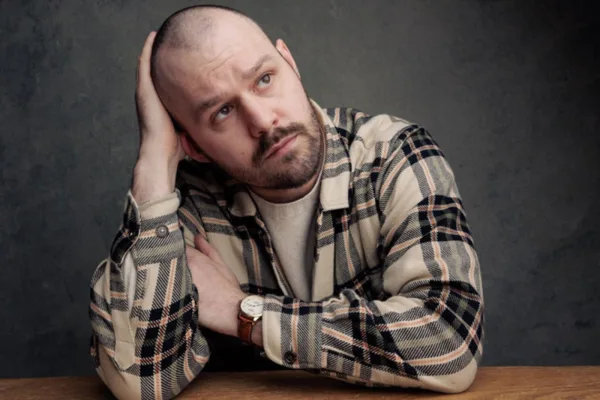
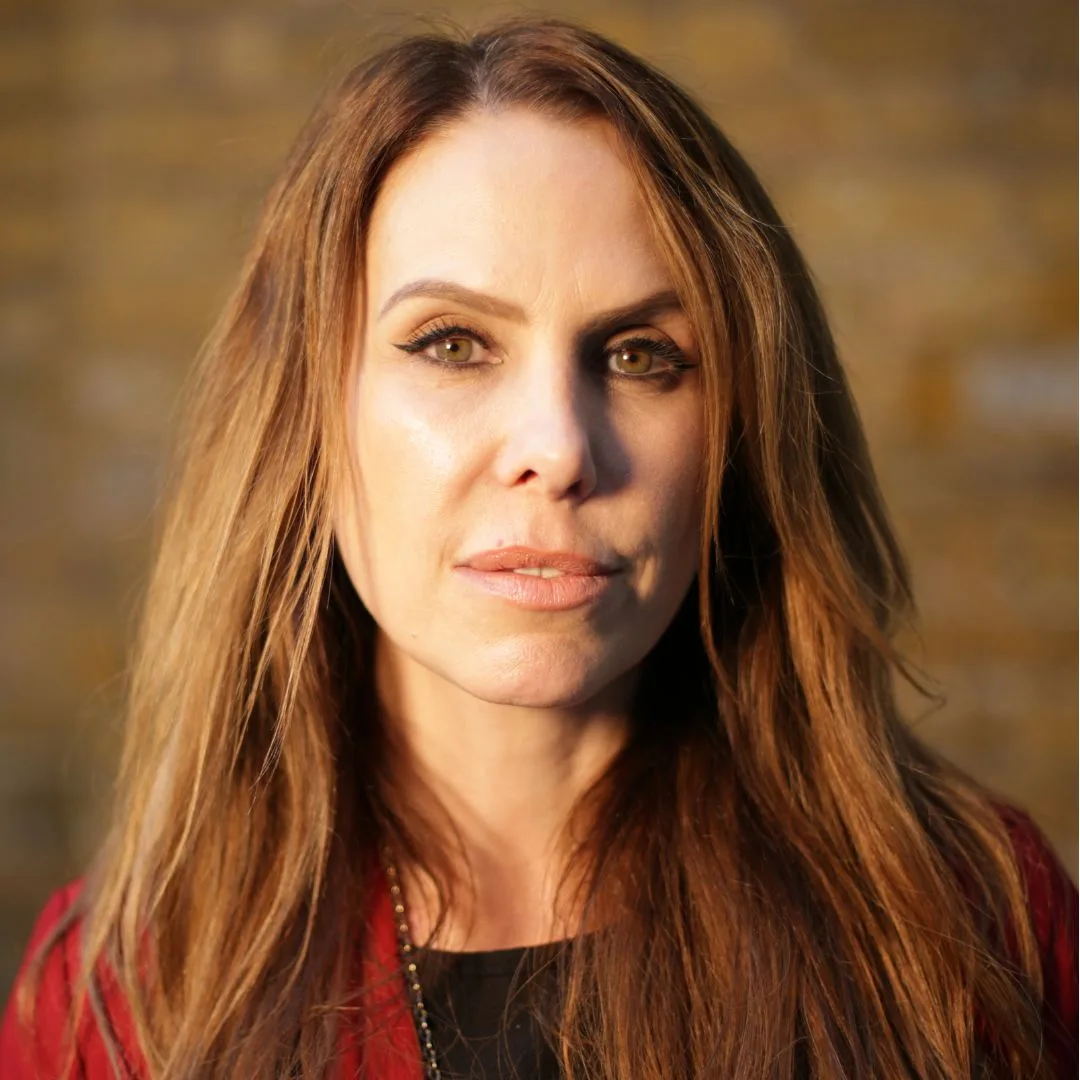
When I was a young lad I saw a “Play for Today” about a journalist who infiltrates an Exegesis cult, with a view to exposing the abuse of its members. They break him down, build him up, only to turn him into a devotee, lost to a world of exploitation and mind control. The idea that the most rational, sceptical of people could also be the most vulnerable to cults left a big impression on me. I wonder if Emma Kelly saw the same play, and it made a similarly profound impression on her. Its abiding theme - essentially the bigger they are, the harder they fall - was certainly a thread that ran through her talk on Killer Cults.
Despite its sensational title, the evening was a relatively sober examination of what makes a cult leader, and how a literally fatal combination of narcissism and psychopathy can lead to disaster. She is an engaging speaker - a cross between Grace Dent and Angela Rayner if such a thing can be imagined - though I got the sense I was in room full of devotees who already knew her from "true crime" TV and YouTube. While the Moonies and Scientology were touched upon, they were quickly set aside as exploitative businesses doing very nicely, thank you. It was the Jonestown massacre that provided an exemplar of how a messianic complex can lead to death, though it seemed me to be the exception rather than the rule. Being yoked to that killer expectation obliged Kelly to bring Heaven's Gate, Waco, and Charles Manson to the table, none of which quite fitted the Jonestown template, fascinating though the details of those cases were. I got the sense there was a more nuanced, and ultimately more coherent, lecture involving less sensational cases that we didn't get to hear. I understand why, but thought that a pity.

To my mind what unified those cases, beyond the long shadow of death, was not so much the cult leaders as the followers, who all believed overwhelmingly nutty things in the face of very few people agreeing with them. In short, we know a cult when we see it largely because the underpinning belief system is preposterous and it’s preposterous largely because not many people agree with it. I found this truism hard to reconcile with Kelly's reliance on the Milgram experiments, which posited that obeying authority figures is key to understanding how cults work. The applicability of Milgram's findings to Holocaust atrocities also seemed dubious to me, as did classifying Nazism as a cult. The acquiescence of the German nation to Hitler's regime feels more like peer pressure to me.
Whether it's Qanom, Anti-vaxxers or flat earthers, a key component of a belief system is the conviction that they know the hidden truth that most people cannot see, which brings us to the elephant in the room - the acquiescence of the British people during covid. Kelly has made no secret of her opposition to lockdown during covid, both on philosophical and medical grounds, and I guess there should room for voices of dissent. However, the idea that ill-preparedness, badly drafted legislation and arcane rules is evidence of Orwellian population control struck me as a bit far-fetched. Why she shoe horned her views on lock down into what was otherwise a thought provoking, if flawed, presentation is beyond me, but I guess that's what happens when a strong conviction flies in the face of the consensus. Sometimes you just can’t help yourself. It was telling that, having conflated her beliefs with the hypocrisy of the Johnson government, she eliciting Pavlovian applause for the latter, but judging by the chatter afterwards, I wasn’t alone in being unconvinced by her central argument. That said, neither did I feel the need join the long queue waiting to buy a "Killer Cults" T shirt afterwards (surely that’s just a bit weird) so I’m clearly not part of the core audience.
In my head, all the way home, I found myself arguing with a good deal of what Emma Kelly had to say, some of which made me straightforwardly cross. But for the most part this was an unusual evening that was unusually entertaining. The talk was immaculately presented in about the only Norwich venue I can imagine putting this sort of thing on. Notwithstanding my misgivings, I can also imagine being there for the next one.