The Zone of Interest
Glazer’s genius use of sound and imagery create a visceral world of pure evil.
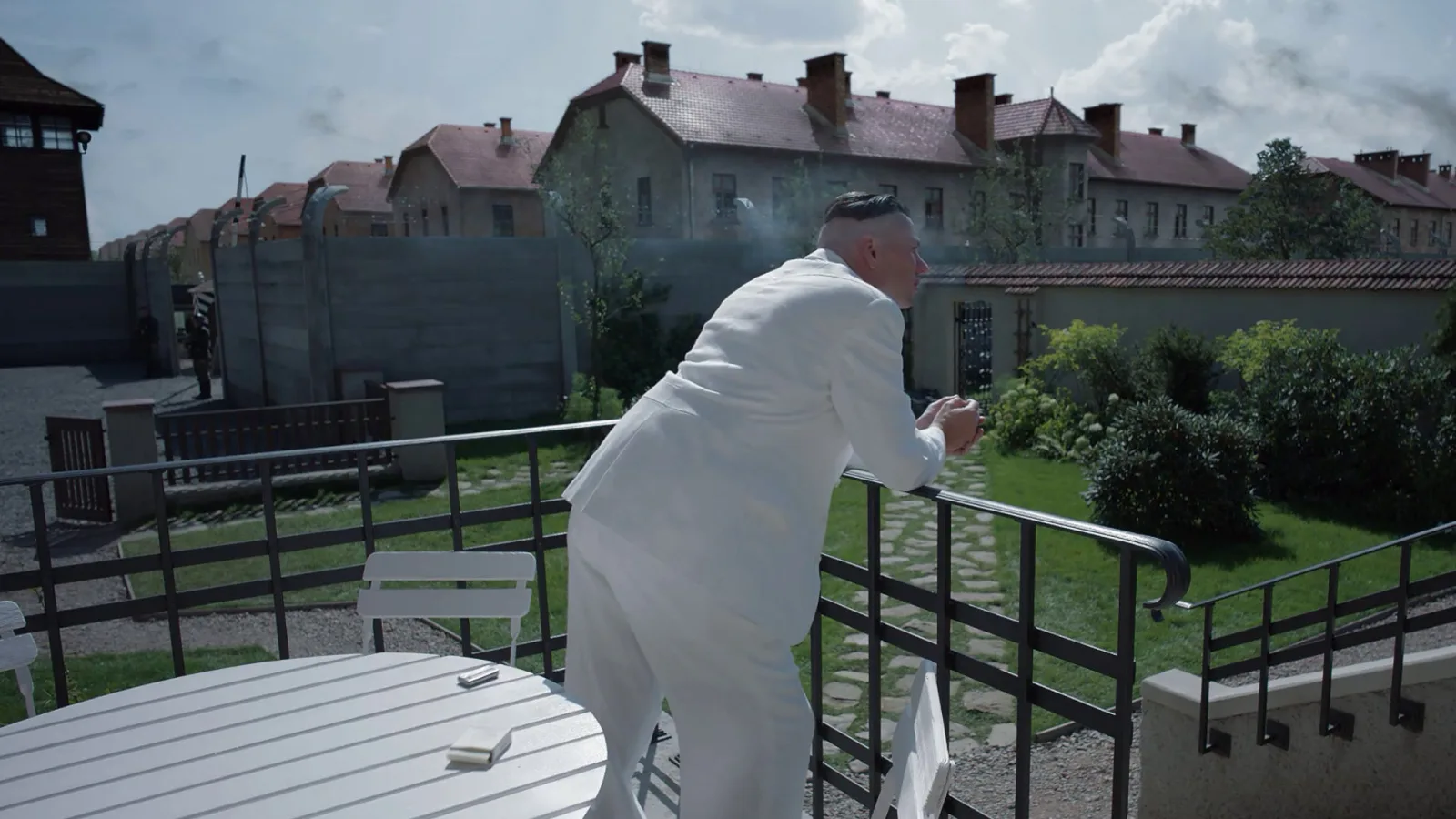
This is a film designed to make you uncomfortable. To dig under the skin (if you will), where Glazer has ventured before in 2013, and carve out the evil of the human soul for all to see. If you brought snacks, you probably won’t eat them, and though it feels impossible to watch, it’s impossible to look away.
The Zone of Interest traps us in 1934 with Rudolf Hoss (Christian Friedel), his wife Hedwig (Sandra Huller) and their children. After 4 minutes of a black screen, accompanied by a looming score, we join the Hoss family on a day out by the lake. To the unknowing eye, they are a normal, happy family, yet as we soon learn, they live in a villa just 30m from the camp fence of Auschwitz, the largest Nazi death camp. Rudolf is the commandant of Auschwitz, and we follow the story of him and his family, inspired by true events.
The Hoss family are indulgent in their distraction, living their “normal” life right next to a mass genocide in the making, already setting your nerves on edge. Glazer uses an incredible technique with sound, revealing the horrors endured by those over the fence without ever seeing it happen. The family carry out everyday tasks, cooking, cleaning, all oblivious and unaffected to the death and suffering right next door. Hedwig applies lipstick to the sound of screaming, her sons play with toy soldiers to the cracks of gunshots, an appropriate visual metaphor. The auditory experience makes this Holocaust film one of a kind; Glazer’s genius use of sound and imagery create a visceral world of pure evil.

The imagery is an aspect of this film that only adds to the haunting atmosphere; Hedwig shows her mother around the garden, and we see several isolated close-ups of flowers, whilst diegetic sounds of screaming, wailing, and crying fill the echoing space left by the lack of dialogue, contrasting such beauty with wretched evil. It’s a rare occurrence to be repulsed by flowers, but these are grown from the depths of human impurity and malevolence, and you’ve never wanted to turn away more.
This sense of repulsion is amplified through the characters themselves; Hedwig is a mother, yet she is icy and rude, Rudolf is a father, yet is highly unemotional and uncompassionate; anytime there is an attempt at empathising with them, the film rips it away, reminding us that these are people, not just characters, void of humanity. They are people we inherently want to distance ourselves from, and settling with them as main characters immediately forms a detached relationship between us and them. It is what makes the film so original, to centre around a Nazi family who willingly comminated such atrocities intensifies the hatred we feel, unable to escape and trying to understand, yet to no avail.
The Zone of Interest is fascinating in its representation of mundanity, creating such an insightful look into the depths of morality. It is eerie and repelling yet is undoubtedly a film of the decade. Nominated for Best Picture at the upcoming 96th Academy Awards, it’s unique filmmaking, excellent acting, and overall individual portrayal of modern horror, it is without a doubt an accomplishment in cinema to highlight such a revolting past of human existence.