
Mogwai - As The Love Continues
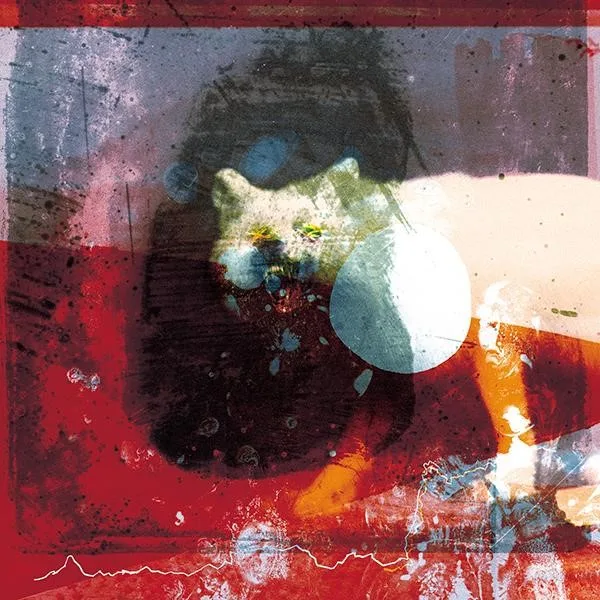
Perhaps in an ordinary year, a Mogwai album would disappear into the fray. Though ambient music and lockdown seem like natural bedfellows. It’s music of the time. Music historically has reflected the availability of sounds, intoxicants, laws, and times of the day. A sense of endless time means sitting down to listen to a slow-burning record doesn’t seem as indulgent as it maybe once was.
Mogwai is a band that comes in many different forms, but remarkably manages to stay consistent. Emerging in 1997, and reaching long-lasting critical acclaim in 1999, this album fits at the end of a very long road. The ability to maintain relevance across two-and-a-quarter decades is quite impressive.
The opening of As The Love Continues washes over you, the electric guitar’s tremolos vacillate amongst the hissing hi-hats before building into an almighty wave. It is a skillful display of structural and textual techniques.
The delicate pop of ‘Ritchie Sacramento’ gently fills the room. The shoegazey wall of noise is something to bathe in. ‘Dry Fantasy’s fuzzy swells are entirely engrossing. Throughout ‘Ceiling Granny’, the riffs and morphing growls of guitars feel like a vast sea, and on ‘Midnight Flit’, the bass and synths gradually morph into a huge cathedral of sound.

The strength of the album lies in this sheer luscious noise – a band of 20 years will know their kit like the back of their hand, and the sounds on the record are just luxuriousdemonstrations of that. You could find hours of enjoyment just absorbing the guitar’s roars, squeals, and rippling effect on the entire instrumentation.
The structure of builds and dives can feel repetitive at points, ‘Fuck Off Money’, somewhat leaves them too exposed, it’d have maybe benefited from a sonic shrouding. Though a revolution of shoegaze and post-rock structure is an unnecessarily high expectation to have.
Despite this, the songs sometimes need to be given more time to breathe, as otherwise, it loses a sense of enchantment that comes with slower burning ambient tracks, and it loses the punch that comes with more typical pop music. Though that doesn’t negate the brief moments of mesmerizing noise. The rapturous wall of crunchy guitar on ‘Drive the Nail’ creates a great rhythmically physical push-pull effect.
Mogwai is no longer the band they were in the 1990s, and a lot of that is confidence in production. It’s tight and clear, and ultimately very engaging. It’s not brilliant, but it is well worth as a treasured contribution from the band.
8/10