
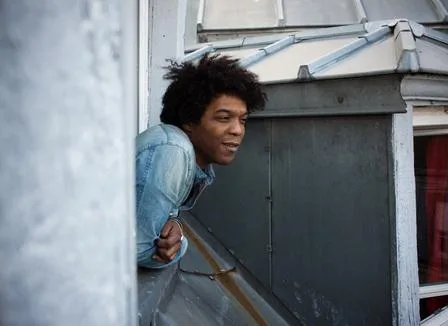
Luke Daniels, Phil King and Lucy Grubb
Maybe by good fortune or maybe through some meteorological sixth sense, but tonight’s Grapevine for Music event had originally been planned for the previous week. In which case, this show may never have happened. But if the Beast from the East, and its accompanying support act Storm Emma, had managed to conspire and combine to cancel this night, it would have robbed us of one of the most unusual, and varied, line-ups to have graced The Guildhall yet.
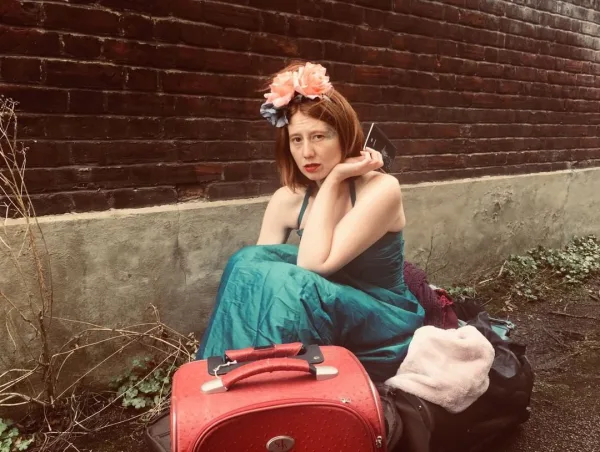
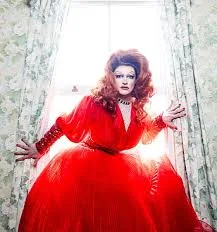
However, all is well, everyone is here, and it is Lucy Grubb that kicks off the evening, accompanied by Louie Barby on cello providing a beautifully melancholic balance to Lucy’s soulful folk-tinged guitar and country-inspired vocals. The set includes tracks from last year’s award winning debut EP, 18 Miles, and also a trio of new songs - Dear Walter (a tribute to her grandfather), In Common (about her hero Johnny Cash), and an as-yet untitled sequel to Change In The Weather, another heart-on-the-sleeve number that demonstrates Lucy’s open, honest and personal style of writing.
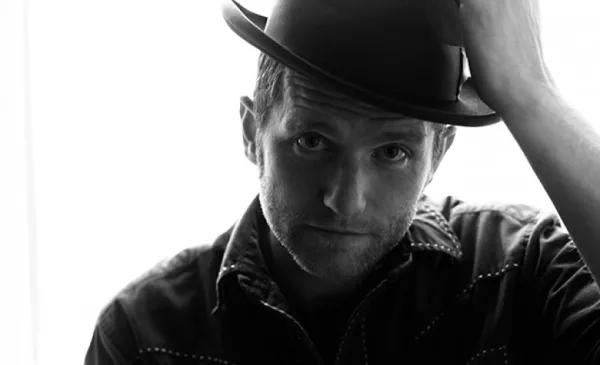
Despite having toured across Europe and even in New York this is the first time that Bristolian Phil King has ever performed in Norwich. His latest album, The Wreckage, was recorded at Peter Gabriel’s Real World Studios, where last month’s headline act Will Lawton and Weasel Howlett also cut their debut release. And it is with the gentle Sicily that Phil opens his set. His voice reminds me at times of Don McLean - earnest, sincere, and creating a real connection with his audience. Next, he dons a harmonica brace and uses foot bellow accompaniment to cover an A.A.Bondy song, I Can See The Pines Are Dancing, a truly beautiful song by an Alabaman musician previously unknown to me. However, in the same way that Norwich’s Noel Dashwood opened my ears to the great Townes Van Zandt, Phil King tonight introduced me to another Americana artist with a back catalogue worthy of further investigation.

Other songs from tonight’s set worthy of mention include The War That I Cannot Win, from King’s earlier They Come & They Go album, with fluid falsetto vocals and some really interesting key changes; a new song described as still being ‘finished but wild’ that became successfully tamed once the keyboard foot pedal had been captured and secured with duck tape; and I Wonder If I’ll Ever Learn, a cautionary tale of getting drunk and hung over, a subject which some of tonight’s audience were unconvincing in their feigned difficulty with identification.
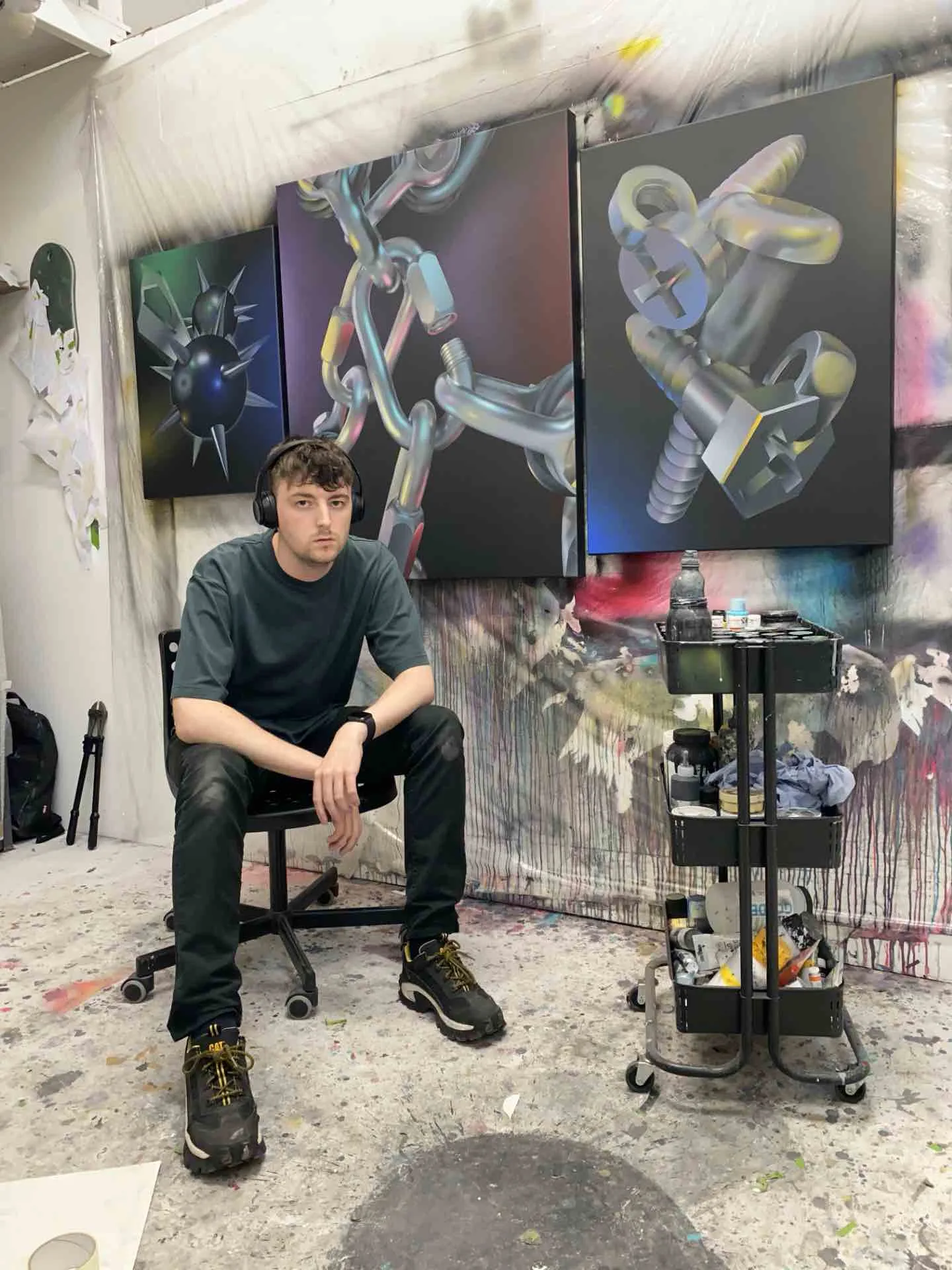
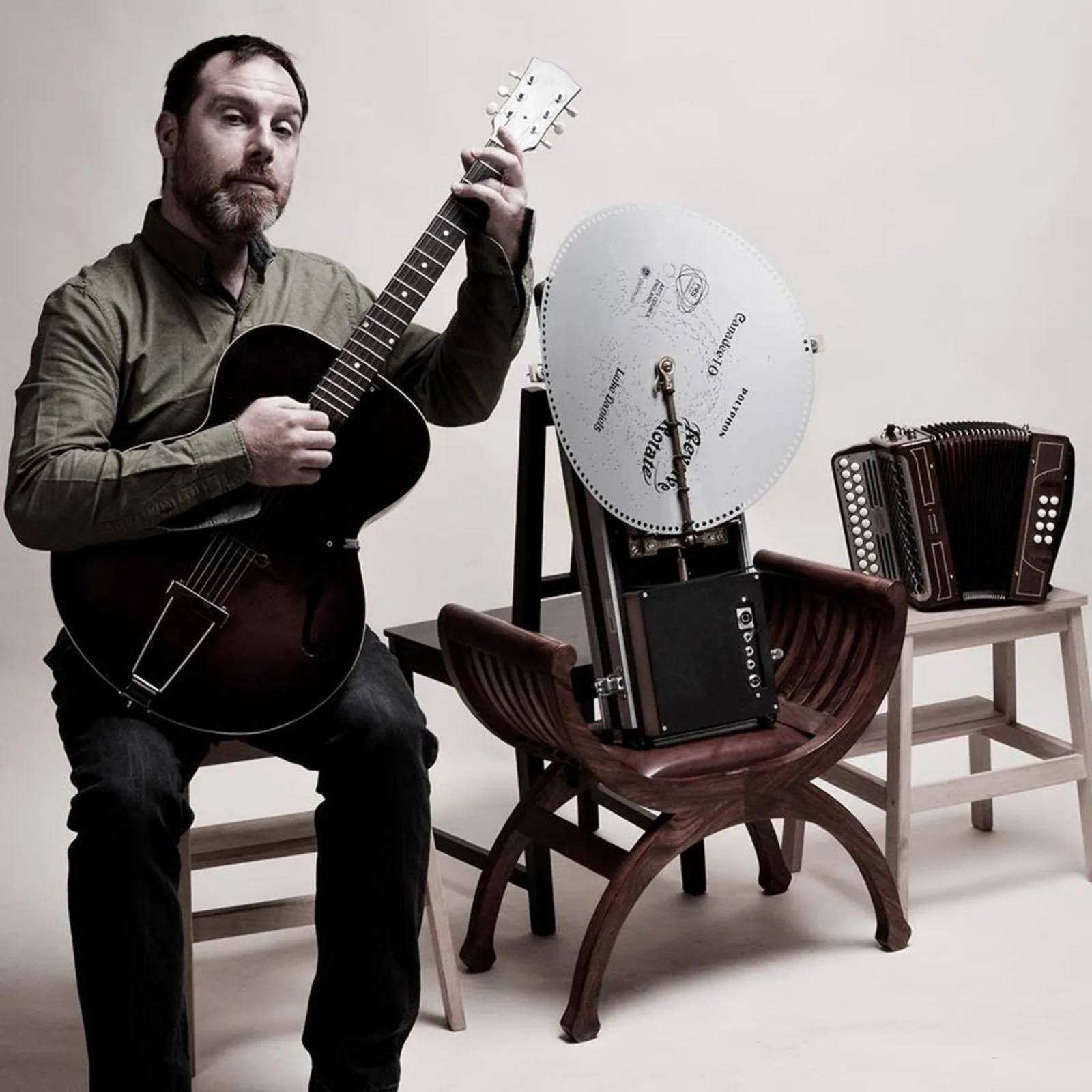
Glasgow-based Luke Daniels is tonight’s headlining act, and an accomplished multi-instrumentalist to boot. He begins with a melodeon instrumental that pulls Irish, Scottish and German melodies together into one rousing reel. Next comes a folk re-interpretation the New Testament’s Parable of the Three Servants; and Stone & Quarter, a song of good honest work taken from the Revolve & Rotate album. Both come with guitar accompaniment before Luke introduces us to his polyphon, the intriguing 19th century music machine that, in part, must have provided the name for his latest album release.
Daniels’ polyphon was originally built in Leipzig in 1880 by a company that would later become both Polydor and Deutche Gramophon. The machine pre-dates the gramophone, and plays its music via a series of notches punched into circular metal discs that rotate at less than 1rpm. Think of it as a cross between turntable and musical box. Daniels has replaced the original clockwork mechanism with a stepped electric motor linked to a computer. For his version of Canadee I O, a traditional English folk ballad recorded by Nic Jones on his 1980 Penguin Eggs album, Jones’ guitar part has been faithfully transposed onto a brand new polyphon disc. This is played whilst Daniels provides vocals and accompaniment, before the computer kicks in, and begins to synchronise, loop and layer the polyphon output to produce a truly unique and magical ‘music-box’ folk experience. As an audience, I think we are all stunned by the beauty created during this collision of technologies.
Next, after a specially commissioned song about cattle drovers, a faintly familiar guitar solo develops into a rather unexpected folk cover of Stevie Wonder’s Don’t You Worry ‘Bout A Thing. This Grapevine evening was certainly living up to its promise of contrast and surprises. Having confessed that he had once again forgotten to tell his aunt in Kings Lynn that he was performing in Norwich, Luke returns to the guitar for an inspirational In Our Hearts, taken from 2014’s What’s Here What’s Gone album. One more cover provides the final song of the evening. This time it is Gerry Rafferty’s Baker Street, a modern classic which I have to admit will inevitably sound slightly incomplete without its trademark saxophone solo. An unusual choice with which to close an evening, but then this was never going to be just any regular musical evening.