
Detroit
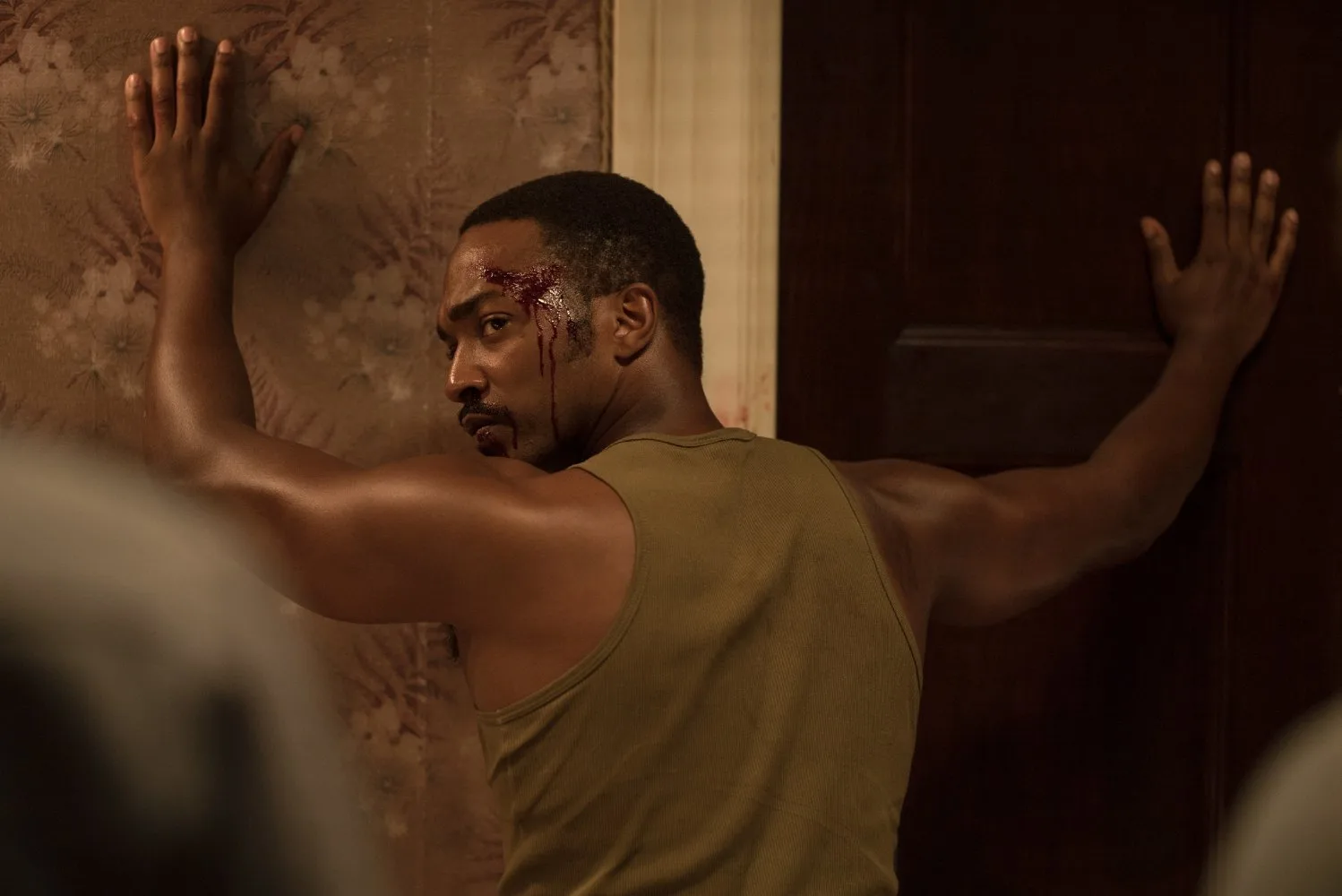
It's the summer of 1967 and one of the darkest chapters in U.S history is about to begin. An ever increasing divide between black communites and white communities in Detroit reaches a fever pitch and a police raid on an unlicensed bar triggers a full blown riot. It would last five days and be unparalleled in its violence and property destruction. It's in the middle of this turbulence that the film hones in on one shocking series of events that begins at the Algiers Hotel, all based upon real life testimony.
It's an interesting and shocking part of history to take a peek at through the use of film. Unfortunately, it shows what happens but never delves into why it happens or how it fits into the larger picture of racial tensions both then and now. The film has three very distinct beginning, middle and end segments. At 2 hours 23 minutes, the film is overly long and drawn out, mostly because of these distinct segments. The entire beginning of the film is all about scene setting, starting with a brief animated history lesson followed by the march that began the riots. It feels like forever before we actually start to meet the main characters, and even then the moments are brief and often lack context. This part of the film is still entertaining to watch and blends in archival footage to great effect, but it outstays its welcome - it sets the context, trickles in the main characters and then continues doing this for far too long until it eventually hits the bulk of its story.
The various characters we briefly meet at the beginning eventually converge at the Algiers Hotel where the majority of the film takes place. Again the film does a great job of showing what happens, with truly shocking and intense scenes that can stir up a plethora of different emotions. All the actors do a tremendous job - from the tone of voice used and even some great use of body language it seems a lot of attention has been placed on how the characters look at each other and so forth. A particular shout out to Will Poulter as the trigger happy racist policeman and John Boyega who does a fine job of portraying a security guard caught between his white superiors and trying to help his fellow man. The real star of the show, however, is Larry played by Algee Smith - this convincing and heartbreaking performance is without a doubt the highlight of the film. Larry's character arc is also the most interesting, thought out and endearing - unfortunately, the other arcs are not so interesting. Will Poulter's character, for example, is quite predictable whilst Boyegas has great potential but is ultimately under-utilised. These scenes can be riveting and pulse pounding, almost horror-like in some cases, but while it's not badly paced it is almost excruciatingly drawn out.
The final part of the film focuses on the aftermath and the trial. It flies through this and concludes at an incredible pace, again reflecting the start of the film, dashing between various scenes and characters and again merging archival footage and audio. As with the rest of the film, it shows the audience the events but lacked commentary on how or why it's important. The film is all about the situation and the situation only. After the intense and edge of your seat moments at the Algiers Hotel, it's hard to get excited about courtroom scenes, especially when the outcome is predictable and inevitable and not just because of the setting - the film continues with a negative bleak tone until reaching its conclusion. The over arching theme and context are never really addressed, and the emotional stakes can be stifled by a somewhat by-the-book approach. If there is a message beyond the individual character stories it's that police brutality is bad, but you don't have to watch this to know that, so essentially any greater meaning falls flat.

Of course, the overall quality of the film cannot be knocked. The cinematography is top notch and consistent throughout. As mentioned the performances are great, and this is helped by the fact that the scenes are well written and authentic to the various perspectives on display. Timely tunes and some great singing performances help immerse the audience in the culture of Detroit and the time period, helped by some great attention to detail with costumes and props.
By no means a bad film, just one lacking substance. It does a fine job of retelling and dramatising a tragic event during the midst of the Detroit riots of 1967, and that alone is entertaining to watch unfold. The potential for something more thought provoking and topical peeks out occasionally but fundamentally remains hidden and obscured.
<iframe src="//www.youtube.com/embed/d5h7Kgo-zeI" width="560" height="315" frameborder="0" allowfullscreen="allowfullscreen"></iframe>