Cold War
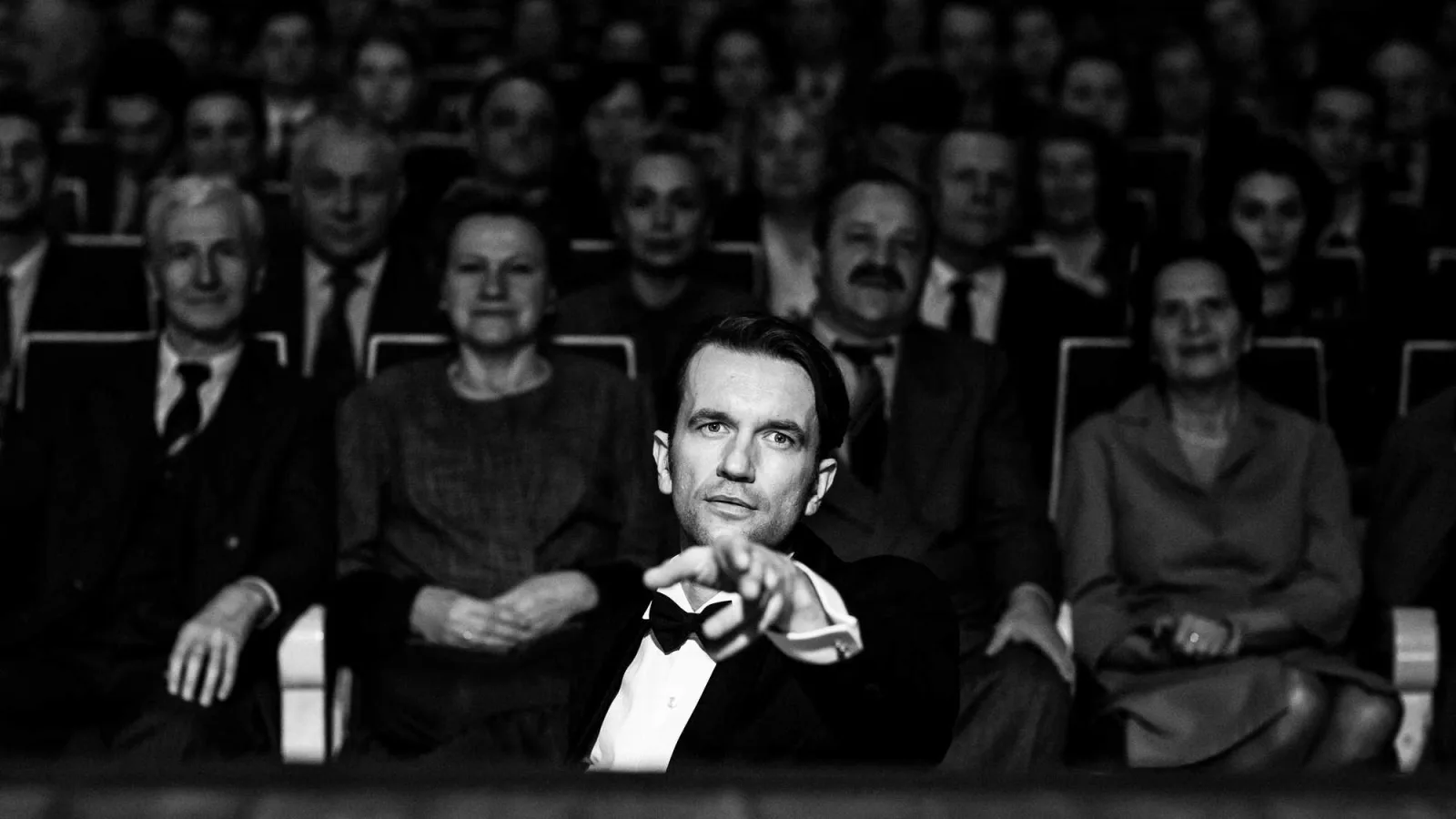
A noir in every sense of the word, Pawel Pawlikowski’s magnum opus is a broody, monochrome affair swathed in shadows and bleak landscapes. It is also the perfect morose antidote to the splurge of patriotic historical epics we have seen hitting cinemas in recent times. The year is 1949 and we follow Wiktor (Tomasz Kot) a musician and composer sampling folk songs across a bleached and scarred Polish countryside in preparation for the unveiling of the music academy ‘Mazurek ensemble’. During auditions, the feisty and unpredictable Zula (Joanna Kulig) captures his heart (“Thank you, that will be all” “No, let me sing the chorus.”) and from there, their lives are joined in a tumultuous romance that gives fate a bear-hug and takes a nosedive with it, leaving the parachute behind.
What starts out as a brief affair transforms into an epic odyssey of two people and their wild hopes and passions as they struggle through several decades of hardship under the Iron Curtain. The cold war quickly moves from the external trauma wracking Europe into their interactions; there is something of the struggle between communism and capitalism in their entanglements and separations – their love is a stalemate, largely without violence but at times irreconcilable and unsettling.
A film that gorges itself on sumptuous music, intricate costumes and countless scenes of Wiktor gazing sorrowfully into shadows with a cigarette in hand, each scene is a slide beneath a microscope that is zipped out and replaced with another the moment anything approaching a linear story begins to materialise. From Warsaw to Berlin and Paris, defiled churches to smoky saloons, bourgeois apartments to labour camps, we leap with them as they chase then spurn each other, evolving in different directions and at different rates, never quite needing one another in the same way at the same time. Torturous yet captivating, the intrinsic magnetism of the leading duo intoxicates you then lures you up to its bedroom with a curl of its finger.

In a black and white world, you are robbed of distractions – here are the shapes of our characters, here are their movements, see how each twitch, smirk and tear, every eccentricity and mistake is left for you to study like art exhibits. The dialogue is meagre and heavily rationed throughout, however when discharged it explodes in pockets that catch you in an ebb and flow of repressed and released emotion, giving you severe emotional whiplash, but in a good way. Whilst Pawlikowski’s yarn is as far from your traditional romantic flick as it’s possible to get, it remains one of the finest tales of love to have seduced our cinemas in a lengthy spat of time and is more than deserving of its Best Director win at Cannes. It is satisfying because it doesn’t satisfy, it is both a shrine and a sepulchre for love, it is a romance where the beginning is short and the ending even shorter, but the span of time during which these two people try to understand their relationship, wanting at once to be as far away from one another and as close together as possible, feels raw, mythical and eternal. Cold War is a firework of blistering beauty.
9/10