
BlacKkKlansman
To paraphrase director Spike Lee during the satellite Q&A that followed a preview screening of his latest movie BlacKkKlansman, there’s no way you can be an artist and produce a piece of art that’s not political, and if you choose to not be political, that’s a political statement in itself.
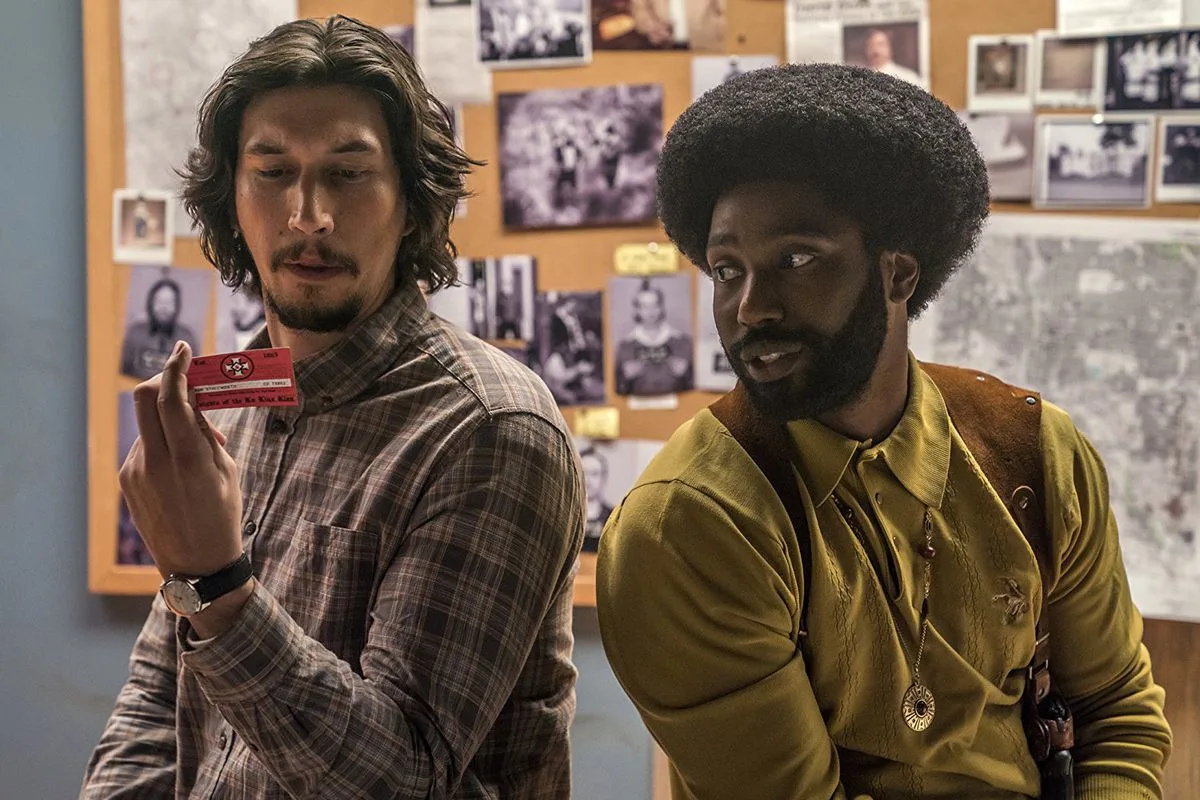
I was mindful of bringing a political point of view to this review, but have since come to realise that BlacKkKlansman, the tale of Ron Stalworth (John David Washington) the first black policeman of Colorado Springs who infiltrated the local chapter of the Klu Klux Klan in 1979, is the type of movie that makes me question the reasons why I go to the movies in the first place, and why I enjoy the films that I do.
Spike Lee has made a career of documenting the African American experience with varying degrees of artistic, social, and critical success, and BlacKkKlansman, with its outlandish yet real-life premise is no different.
There’s a subtlety to much of the film, from casting Alec Baldwin as an academic spewing lines about white superiority - succinctly echoing his recent performance as Donald Trump on America’s Saturday Night Live comedy show - to a beautifully shot telephone conversation in which the framing gets more and more angular and unconformable as the subject under discussion moves from light-hearted to deadly serious. It’s a gorgeous looking period piece with lovely set design and an occasional visual flair that harkens back to the Blaxploitation movies of the 70s that our characters reference and enjoy so much.

A beautiful, almost musical sequence with our main man Ron dancing and singing at a nearby gathering celebrates the joy of life, love, and the happiness of being with your friends, and it needs to, as the tone of the movie darkens considerably when we reach an apex - not in the form of an action sequence or a set piece, but an incredibly powerful recital of one man’s tale of injustice, racial hatred, and terror, cross-cutting with another’s indoctrination into the KKK.
Yes, I’m moved by the message of the movie, but what I’m not moved by is the portrayal of the characters. I don’t connect to any of our champions, and there’s some great actors like Adam Driver and Laura Harrier up there on the screen. I can’t help but feel that our characters aren’t given enough time to grow and forge a connection with the viewer, and as a result I feel little chemistry between them, their relationships, and the peril they find themselves in. The finale, for what it’s worth, leaves me feeling slightly confused and underwhelmed, and I wonder if Spike Lee has been as successful in his story-telling as he has been in his reportage.
That brings me to thinking about this movie as a piece of entertainment, and a piece of social commentary for the 21st century, mixing distraction with a message. The last ten minutes of the movie hit hard as it shifts from drama to documentary, from 70s afros clashing with cross burning crazies, to real life images and testimony of what happened in Charlottesville, USA, only one year ago.
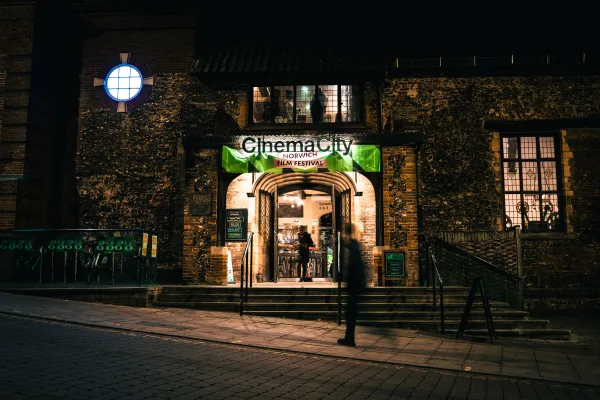
The Q&A afterwards was beamed from the BFI in London, and I’ll go on record as saying I’ve seen better managed and delivered Q&As from right here in Cinema City. Lew seemed nonchalant at first, but soon got informative and real about the purpose of the movie. Be under no illusions: the world still has a long way to go. Lasting change can only come from acknowledging the blood-shed and atrocities that have been heaped upon people throughout history, and I think Spike Lee would say that if his movie can change even one person’s mind or give them cause to consider their stance on what’s going on in the world today, then that’s his job done.